User research and discovery provides evidence to transform a critical public service
Our discovery and roadmap engagement helped Main Roads Western Australia understand how the Travel Map is used and where the greatest opportunities lie.
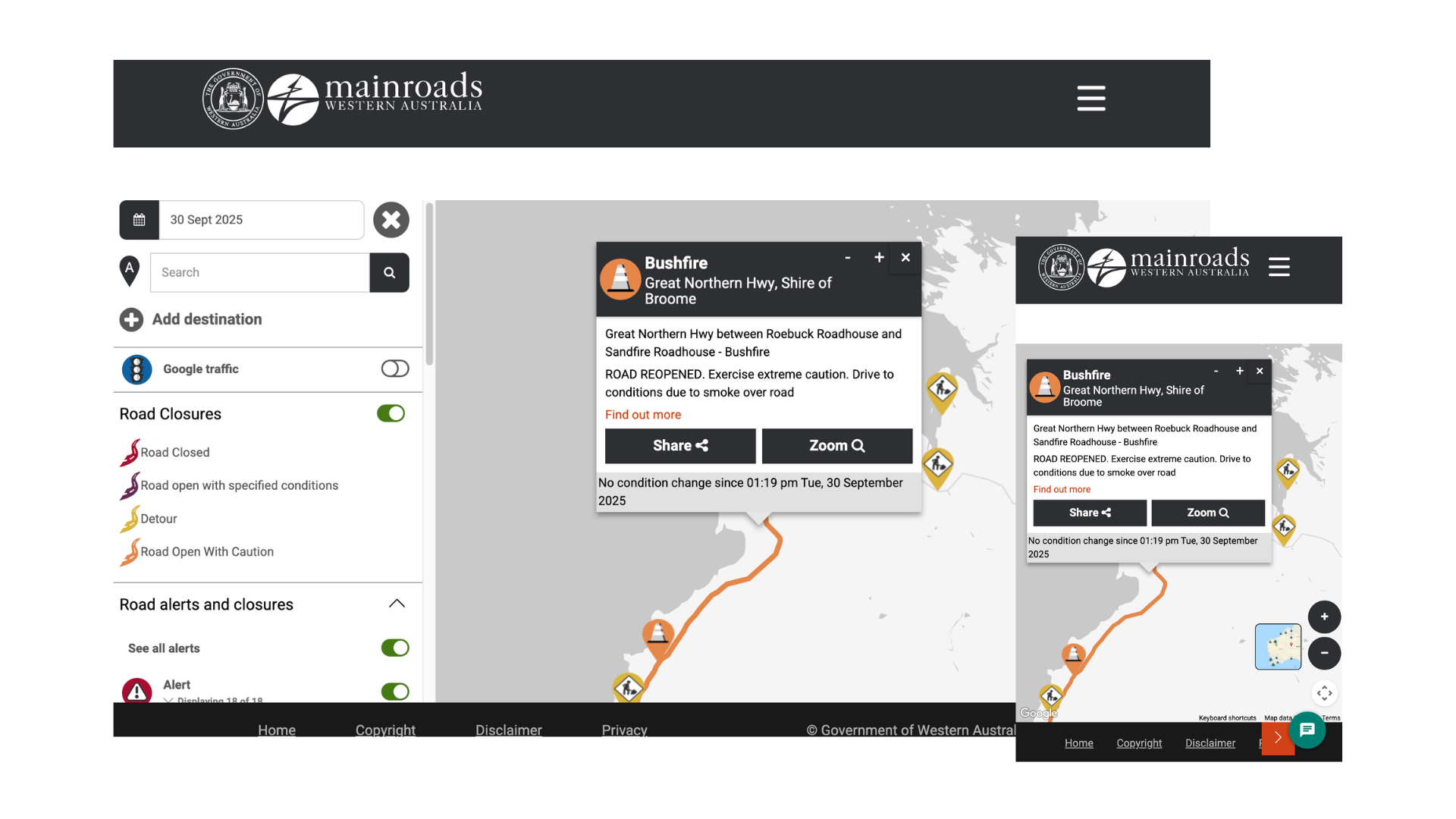
Image 1: A detailed road disruption on the existing Travel Map WA website.
Context
The Travel Map is WA’s only authoritative, real-time source of road disruption information. Main Roads WA engaged Symbiote to build the evidence base needed to increase usage, improve customer experience, reduce operational risk, and better support government agencies and third parties.
Main Roads WA engaged Symbiote to run a structured discovery process, validating known hypotheses, uncovering user needs, and producing an evidence-backed improvements roadmap to guide future decision-making across five priority areas: increasing usage of the Travel Map, improving customer experience and satisfaction, improving operational efficiency, reducing operational risk, and better supporting government agencies and third parties.
The Travel Map provides critical road closure and incident information that third-party platforms like Google Maps, Waze and Apple Maps often don’t have access to. For regional travellers, heavy vehicle operators, and communities navigating emergency situations, it fills a gap no other tool can.
What we did
Stakeholder consultation
We facilitated a collaborative workshop to establish organisational and product context, and conducted five stakeholder interview sessions involving eight participants from across the department including digital communications, customer information, regional teams, WebEOC administration, and GIS. We also ran a purpose survey capturing perspectives from 21 stakeholders across seven departments.
User research
We conducted in-depth interviews with Travel Map users across agreed personas including regular metro users, regional and long-distance travellers, heavy vehicle operators, and people who had relied on the tool in emergency situations. We also analysed 460+ responses to the Main Roads Travel Information Survey, including 113 Travel Map users.

Image 2: In comparison with other Main Roads WA channels the Travel Map is used more frequently than most social channels.
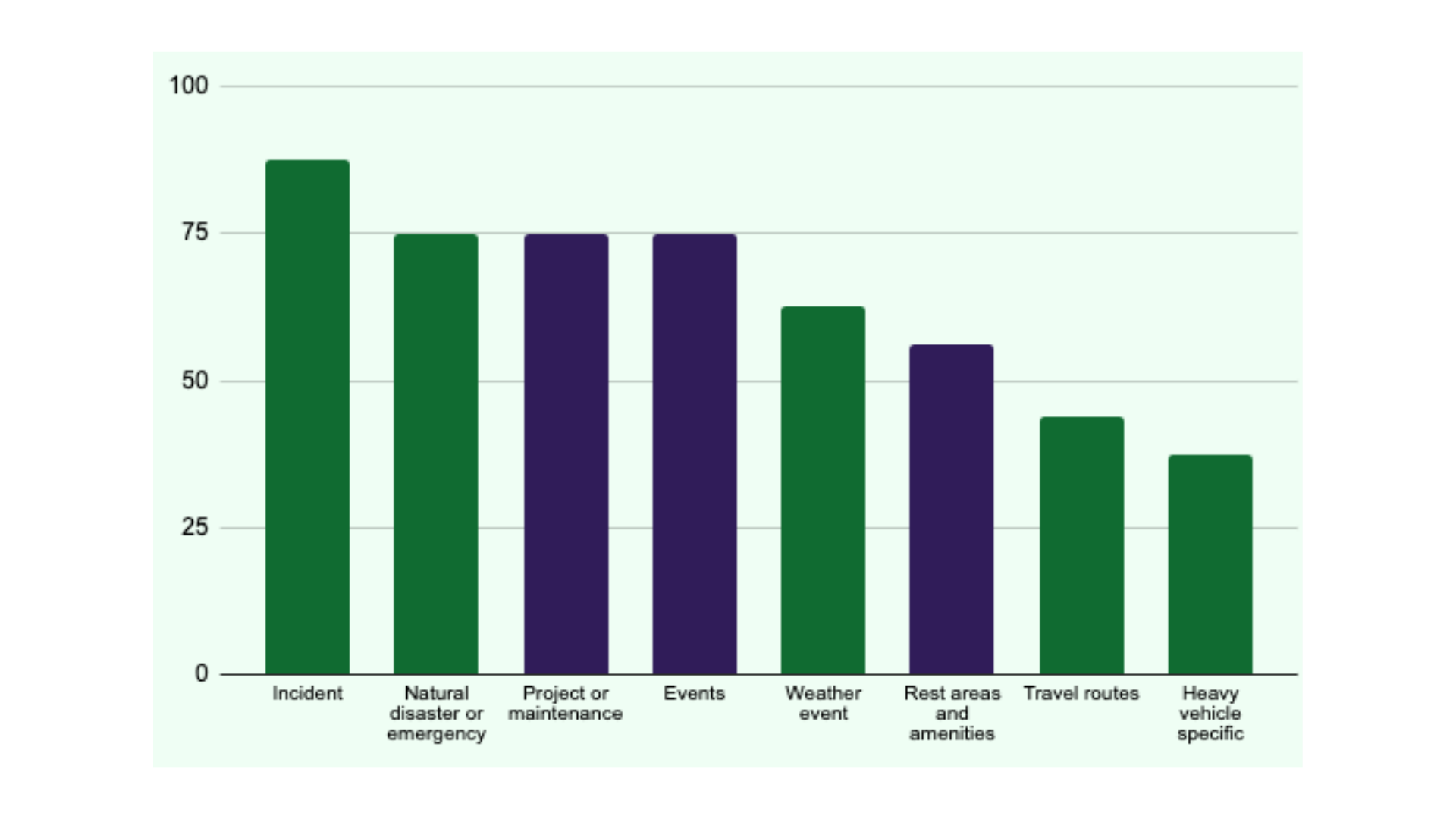
Image 3: The Travel Map is seen by MRWA as providing accurate, real-time information that is not available elsewhere.
Improvements roadmap
Drawing on research synthesis, we defined and prioritised a roadmap of user experience and front-end improvements, sized by complexity and effort, to support informed decision-making around short and long-term product investment.
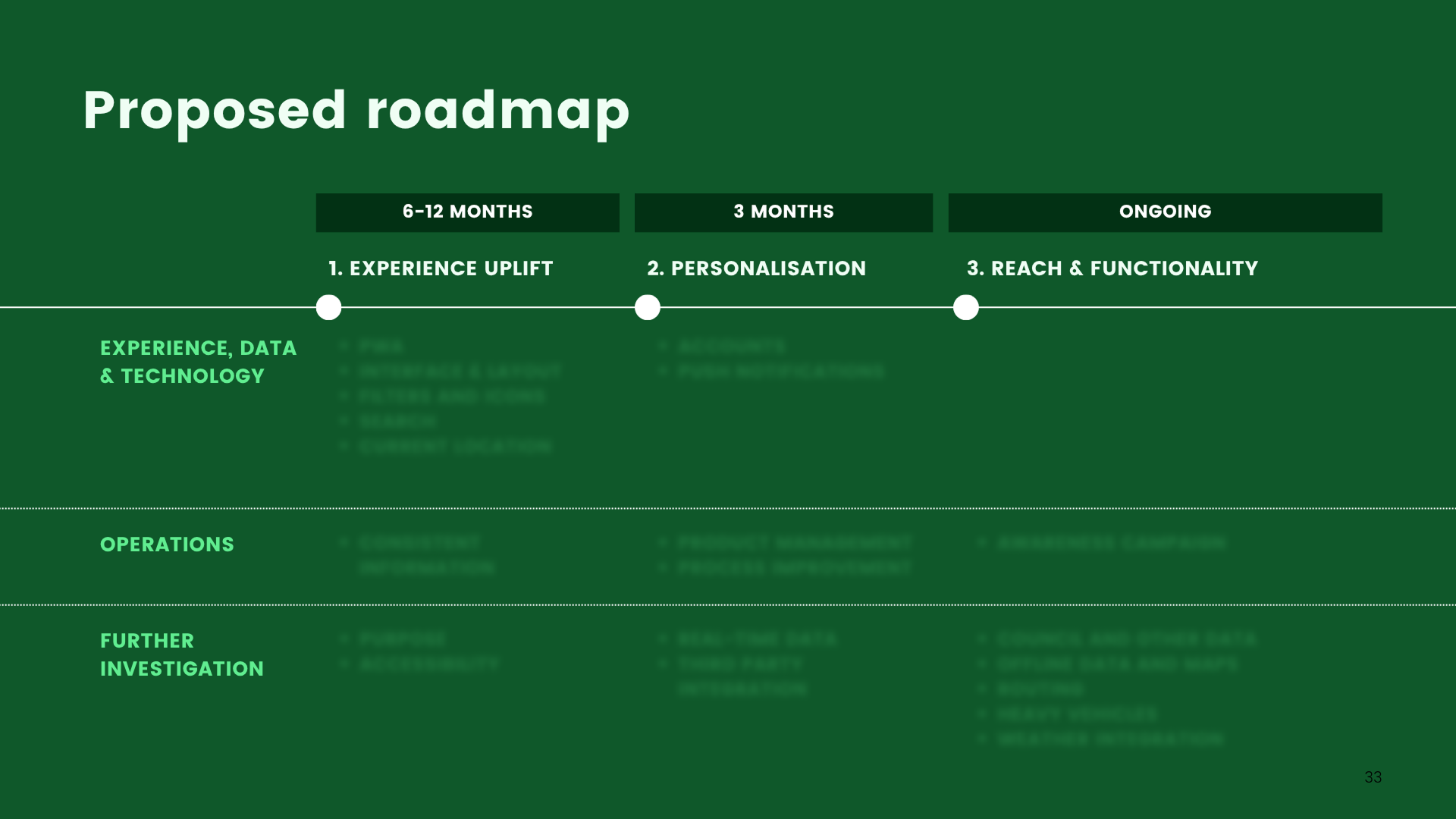
Image 4: Several opportunities exist to uplift the service and help users find the information they need, summarised into a prioritised roadmap.
The result
The research gave Main Roads WA clear, evidence-backed insight into how different user groups rely on the Travel Map and where targeted improvements would have the greatest impact. With a structured, prioritised roadmap in hand, the department is well-positioned to make confident decisions about the next phase of product investment.
More case studies …